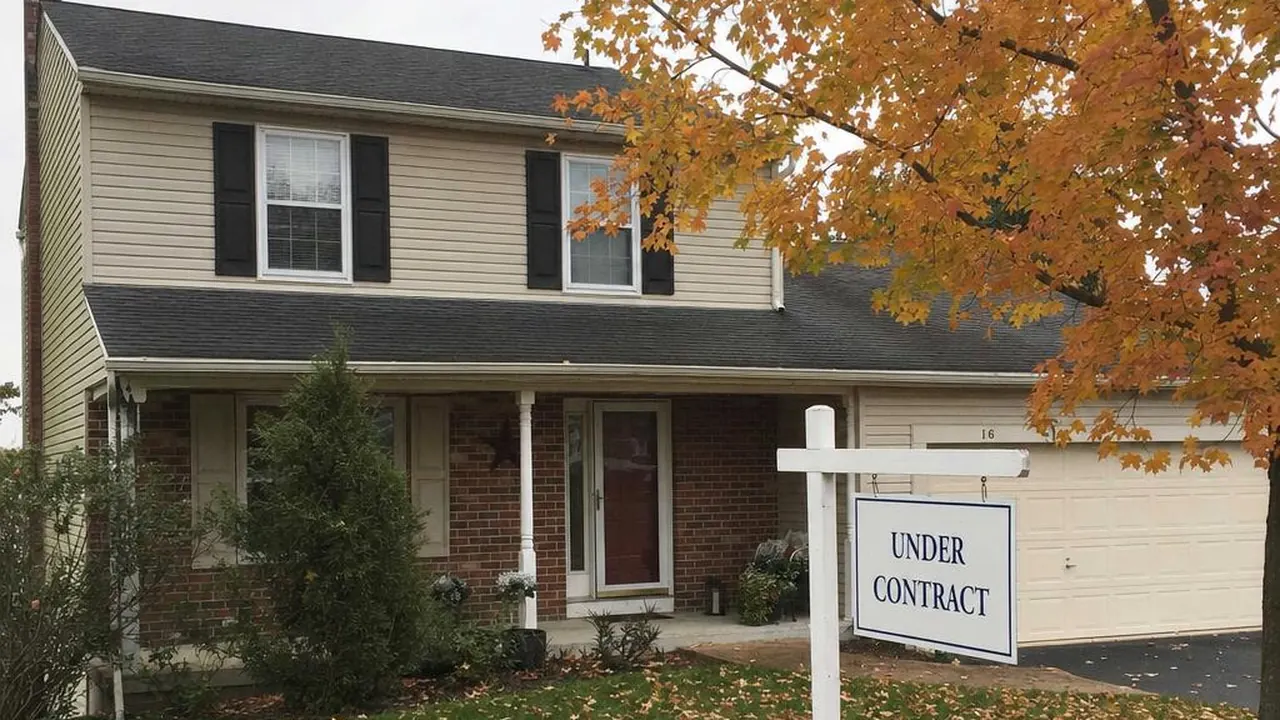
Home services
Thin margins, heavy paperwork: where AI helps a home service shop

In a small HVAC shop, the market sets the price of the work. What you keep depends on what the business spends around the work: the calls you miss, the evenings spent on invoices, the money that comes in late, the quotes that go cold. If you are asking how to cut overhead in an HVAC business, that is where to look first. Most of that overhead is not rent or trucks. It is your own time, and money that leaks.
Shops like yours often have the most to gain from AI, not the least. The work is heavy on phone calls and paperwork, a lot of it repeats, and the owner usually does both the field work and the office work. A big contractor has an office team for the back office. A one-van shop has the evening.
For a sense of scale, owners of HVAC shops with fewer than ten people report more than 15 hours a week on paperwork such as quotes, invoices and equipment orders, according to HVAC School's HVAC Industry Pulse 2025 survey. Here are the four leaks where those hours, and the money behind them, usually go.
Leak 1: Why do missed calls cost so much?
Because the caller with a cold house does not wait. They call the next shop on the list. And in this trade, the phone rings when your hands are busy: in an attic, under a unit, on a roof. Across home services, only about half of inbound calls are answered by a person, according to Invoca's 2026 home services benchmarks.
An agent can take the calls you cannot. By agent we mean a piece of AI software with one job and a written rulebook, working inside the tools you already use. It picks up after a few rings, says it is your AI assistant, asks about gas and carbon monoxide first, and books the caller only into slots you opened. If a caller smells gas, it tells them to leave the house and call 911 or the gas utility from outside, then alerts you. It never troubleshoots, and it never guesses at what is wrong.
Leak 2: Invoices written at night
The job ends at five. The invoice gets written at ten, from memory and a pile of receipts on the passenger seat. Some nights it does not get written at all. Every day an invoice waits is a day the money waits.
An agent can turn a voice note from the van into an invoice in your job software, with the parts from the job, priced from your own price book, and send it with a card link. You see each one. It never invents a line or a price. In our HVAC case study, an example one-van shop on the first hard freeze of the season, nine invoices go out before the owner gets home. That is an example from the case study, not a client's result.
Leak 3: Late payments
Chasing money is the task nobody wants, so it happens when you remember. Meanwhile, the money for next week's parts sits in someone else's account. Nearly three in five small businesses carry invoices more than 30 days overdue, according to Intuit's 2026 late payments report, as cited in Jobber's home service report.
An agent can send a polite reminder at seven days, every time, without you thinking about it. At thirty days, it stops and hands the customer to you, because that conversation is yours. It never threatens, never adds a fee and never handles a dispute.
Leak 4: Quotes that go cold
You wrote a good quote for a new furnace last week. Nobody followed up, the homeowner got busy, and now it is cold. Quotes go cold for one simple reason: following up is nobody's job when you are on a roof.
An agent can follow up every open quote on a set schedule, say day two and day five, and mention financing only if you already offer it. The price never changes, and there are no discounts. You say yes before it goes.
There is a quieter leak next to this one: warranty registration. Manufacturers give a set window after installation. On a Goodman gas furnace, miss the 60-day registration window and a ten-year parts warranty drops to five years. An agent can prefill the registration from a photo of the data plate and remind you well before the window closes. You check it and submit.
How to cut overhead in an HVAC business without hiring
Start with the leak that costs you most, not all four at once. Count the four numbers above. Then run the biggest one through our four-question test: does it happen often, does it follow rules, does it eat real hours, and is a mistake cheap to catch?
In the HVAC case study, calls and invoices come first, because both pass the test and both free the evening. Payments and quotes come next. Warranty registrations and a short morning brief come last. The shop keeps its phone number, its job software and its books. The agents plug into them, and the case study writes out every assumption behind its estimates, so you can redo the math with your own numbers.
This is not about replacing anyone. In a one-van shop, there is nobody to replace. It is about taking the paperwork off the owner's evening and getting the invoices out the same day.
Does the same apply to other trades?
Yes, and storms make it obvious. Roofers see the phone flood on the night of a hail storm. In 2025, damaging hail hit more than 235,000 homes in Texas alone, according to Cotality, a property data company. Our roofing case study looks at that kind of night: calls answered, inspections booked, and photos and claim paperwork organized for the morning, with every estimate signed by the owner.
The rules there are strict, and they stay with the owner. In Texas, a contractor cannot waive, rebate or absorb a homeowner's deductible, and cannot act as the homeowner's adjuster on a job it is doing, as the Texas Department of Insurance explains. The agents never touch either. Plumbers and electricians have the same four leaks, with their own safety scripts.
What stays with the owner?
The agents do the paperwork. The trade stays yours. Prices and discounts, diagnoses, anything involving gas, money disputes and refunds all go to you. Reminders and tune-up offers go only to customers who said yes to texts, with an easy way to stop, and the AI says it is AI on every call.
When a customer pushes back on a price, asks for a refund or is unhappy with a job, the agent does not try to handle it. It tells the customer you will be in touch, and it puts the conversation at the top of your morning list, with the details already written down.
Building agents into the tools a shop already uses, then keeping them working through the seasons, is laid out step by step on our how it works page.
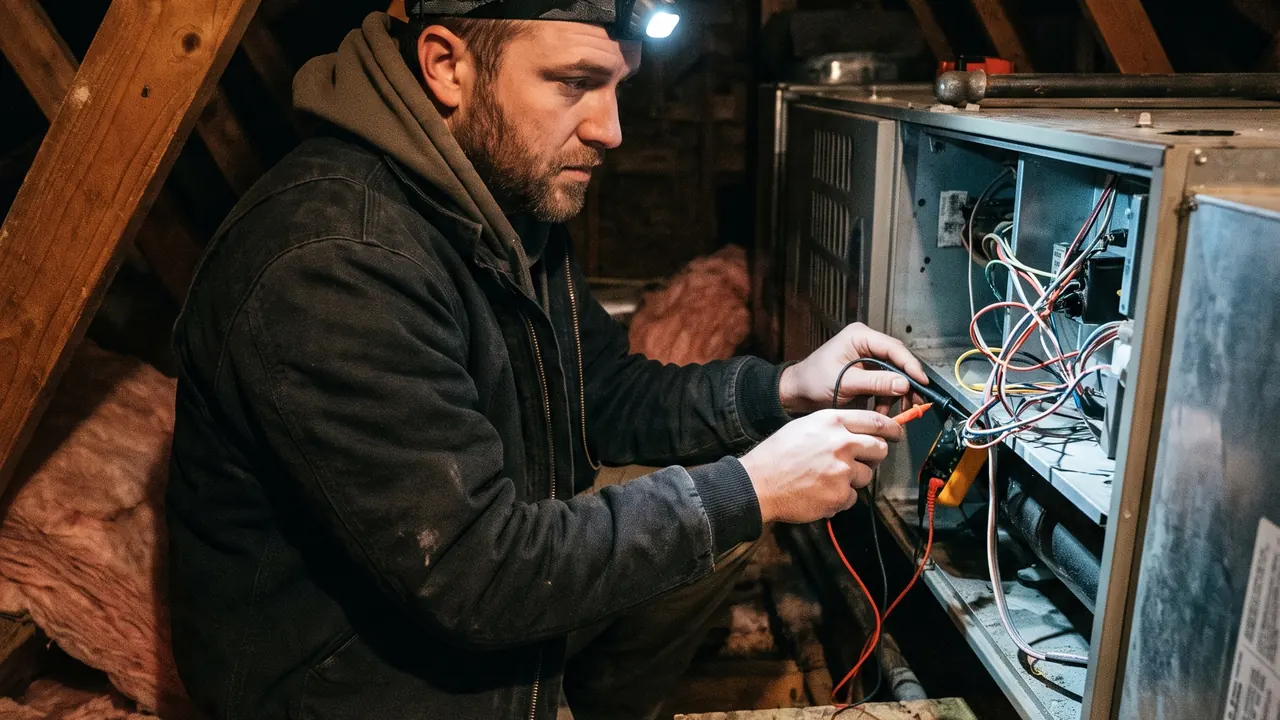 Case studySeven AI agents run the back office of a one-man HVAC shop
One van, the first hard freeze: missed calls answered, nine invoices sent from the van, quotes followed up and warranties registered, so the owner gets his evenings back.View case study
Questions owners ask
Will the AI talk to my customers about gas leaks?
Only to keep them safe. If a caller mentions a gas smell or a carbon monoxide alarm, the AI tells them to leave the house and call 911 or the gas utility from outside, then alerts you. It never troubleshoots and never guesses at what is wrong.
Does this work with Jobber or Housecall Pro?
The agents work inside the job software you already use. Our HVAC case study uses Jobber and QuickBooks, and the same build is planned for small shops on Housecall Pro. Your phone number and your books stay as they are.
Will the AI change my prices or give discounts?
No. Invoices and quotes use your own price book. Follow-ups keep the same price and mention only financing you already offer. Refunds, disputes and anything more than 30 days late go to you.