Insurance
The work takes minutes. The process takes days.

A family is buying a house. Late one evening, their lender emails: it needs proof of insurance, with its own clause and the loan number, before the closing. If you run a small agency, you have handled this request more times than you can count. If you are thinking about AI for a small insurance agency, it is also the best place to start looking, because it shows exactly where your days go.
Count the real work in it. A licensed person talks with the family about coverage and recommends a policy. Call it twenty minutes. Binding in the carrier's portal takes a few more. Sending the proof takes a few more still. Under an hour of work, all in. Yet from the first email to the proof in the lender's hands, the request often takes a day or more, and the proof can land close to the lender's cut-off.
Where do the days actually go?
Into the gaps between the work. Here is the request the way it often runs at a small agency:
- The family calls after hours. The call goes to voicemail.
- Someone listens to it the next morning and calls back.
- The family forwards the lender's email. Someone reads it and retypes the clause and the loan number.
- Someone enters the house into the rater and waits for the carriers.
- Only then does the licensed agent call the family to talk coverage.
- After binding, someone has to remember to send the proof. Sometimes the lender's processor calls first to ask where it is.
None of these steps is hard. Each one waits for a person to get to it. Every handoff is a place where the file sits in an inbox. Add up the doing and you get minutes. Add up the waiting and you get days.
That gap hurts more in a small office. The Big I's 2026 Agency Universe Study, as reported by Insurance Journal, counts about 37,000 independent agencies in the US, with 9.9 people on average. In an agency that size, the person who gives the advice is often the same person who retypes the loan number at night.
Why does adding AI to the old process change so little?
The obvious move is to keep the process and speed up each step with AI. Paste the voicemail into a chat tool for a summary. Ask it to draft the callback email. Ask it to pull the loan number out of the lender's message.
Each of those helps a little. None of them removes a wait. Someone still has to open the voicemail, paste it in, copy the answer out and type it into the agency system. You have sped up the minutes and kept the days.
The days come from the shape of the process: who touches the file, in what order, and how long it sits between touches. A faster step inside the same shape is a faster car on a road full of stop signs. To get the days back, you redraw the road first.
How do you redesign a request before adding AI?
Start with the result, not the steps. For a closing, the result is plain: the lender has correct proof before its cut-off, and the family got real advice from a licensed person. Every step exists to serve that, or it should not exist.
Then ask three questions about the steps you have today.
- Which steps exist only because the information is in the wrong place? Retyping the clause from an email into the system is one. If the details landed in the file to begin with, the step would disappear.
- Which steps exist only because nobody was there? The voicemail and the morning callback are two. If the call were answered and the details taken that night, both would go.
- Which steps truly need judgment? The advice, the choice of carrier, the binding. These stay. The new process should get your licensed person to them sooner, with everything already in hand.
Notice that the redrawn process is shorter before any AI touches it. Only then do you decide who does each step that is left.
Where does AI for a small insurance agency fit?
Sort every remaining step into one of three buckets. This sort is the heart of the method, and it keeps AI where it belongs.
Plain software takes the steps that follow fixed rules with clean inputs: forwarding after-hours calls, a reminder when a closing still has no bound policy, a template for the proof email, the rater itself. Software does these the same way every time, and it costs little. If a rule can do the step, use a rule.
An agent takes the steps that need reading, listening or drafting, but no decision that commits the agency. By agent we mean a piece of AI software with one job and a written rulebook, working inside your own tools. It can answer the after-hours call, say it is AI and take the details. It can read the lender's email and put the clause, the loan number and the closing date on the application. It can prefill the rater from what was gathered, then lay the quotes side by side with the questions only a licensed person can answer.
A person takes every step that commits the business: the advice, the recommendation, the final price, the binding, anything sent to the lender. That is not just good practice. Pennsylvania's insurance law, 40 P.S. § 310.1, counts advising a buyer about the terms of a policy as part of what a licensed producer does. Other states draw a similar line. An agent can prepare the brief. It never gives the advice.
What does the sort look like for a closing?
Here is the same request after the redesign, step by step. Two steps disappear into others, and every step that is left has an owner.
| Step | Before | After the sort |
|---|---|---|
| After-hours call | Voicemail, callback next morning | Agent: answers, says it is AI, takes the details |
| Lender's email | Read and retyped next morning | Agent: clause, loan number and closing date on the application |
| Rating the house | Entered by hand after the callback | Software: the rater, prefilled by an agent |
| Comparing quotes | Pulled together by the licensed agent | Agent: quotes side by side, open questions listed |
| Advice and recommendation | Licensed agent | Person |
| Binding | Licensed agent | Person |
| Proof to the lender | Sent when someone remembers | Agent prepares it, a person signs off, then it goes |
| Open closings | Memory and sticky notes | Software: a reminder until the policy is bound |
Our insurance case study walks through this exact request at an example agency in Pennsylvania, with seven agents that each do one job. The lender's email lands at 10:58 PM. That night, the AI answers the family's call and says it is AI, the clause and loan number go onto the application, and the house is rated with six carriers. In the morning, the licensed agent reads a short brief, calls the family, recommends the coverage and binds. The proof reaches the lender at 9:20 AM, fifteen minutes after binding. Those are example numbers from that case study, not a client's results.
Look at what changed and what did not. The licensed agent still spends the same twenty minutes advising. The family still talks coverage with a person. What is gone is the voicemail, the callback, the retyping, and the wait for someone to remember the proof.
What stays with your licensed staff?
Everything that commits the agency. In the redesigned process, the AI never recommends coverage, never quotes a final price, never binds and never sends anything to a lender before a licensed person signs off. It says it is AI on every call, and it texts only people who said yes.
Keep a tight record, too. Swiss Re data from 2020, reported by IA Magazine, found that coverage never placed was the most common E&O claim against agencies, about 30% of claims. A process that follows every closing until a policy is bound, and logs every offer and answer, gives your E&O file something to stand on. Most of that following is plain software. The sort tells you so.
Where should your agency start?
Pick one request that comes in often and always seems to take longer than it should. Proof of insurance for a closing is a common one. So are certificate requests, mortgagee changes and renewal reviews. Write down every step, who does it, and how long the file waits before each one. Then run the sort.
You will usually find that some steps can simply go, a few belong to plain software, a few belong to an agent, and the ones that matter stay with your licensed people. Drawing that map is the first step of how we work, before anything is built.
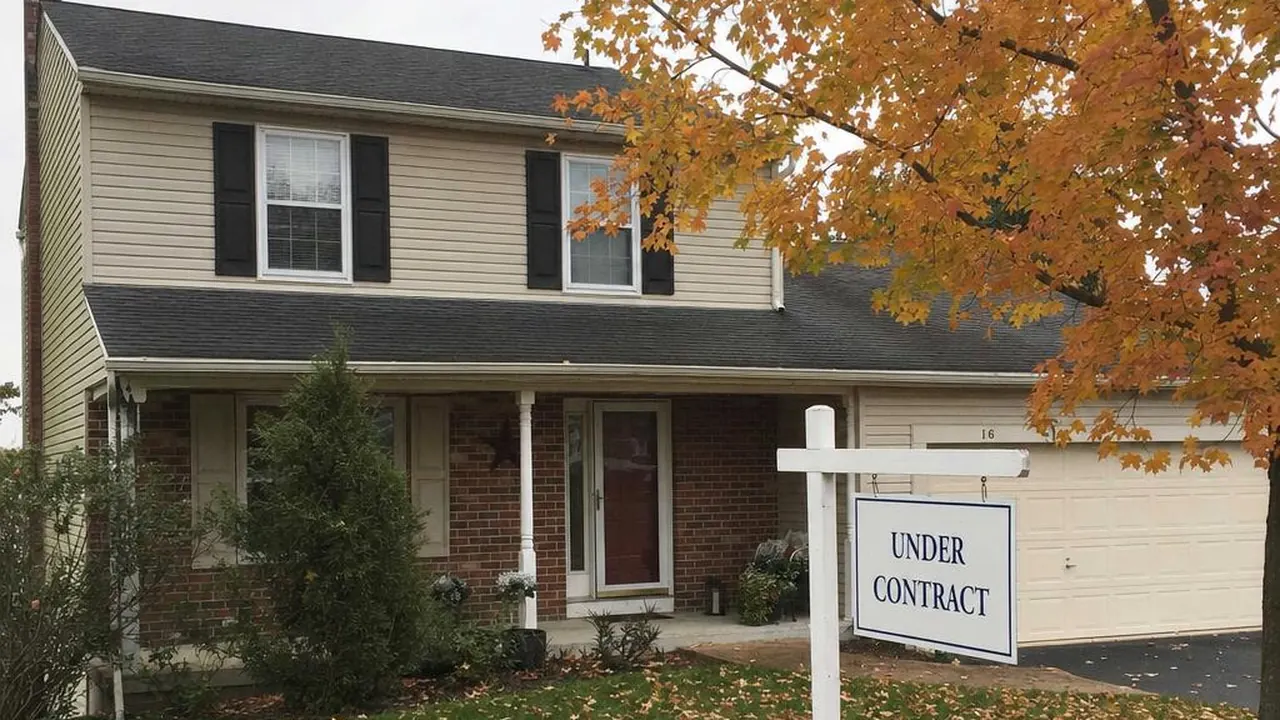 Case studySeven AI agents run an insurance agency's busiest night
A home closing on Friday, proof of insurance due by noon: intake, quotes and the lender's paperwork are ready overnight, and the licensed agent advises and binds in the morning.View case study
Questions owners ask
Will AI give coverage advice to my clients?
No. In the setups we build, the AI never recommends coverage, quotes a final price or binds a policy. It gathers the details, prefills the rater and lays out the quotes, and a licensed person gives the advice. It also says it is AI on every call.
Do I need a new agency management system?
No. The agents work inside the rater, inbox and phone line you already use, such as EZLynx and Outlook. If a step can be done by a rule in your current software, we use that rule first and keep AI for the steps that need reading or drafting.
Which request should a small agency redesign first?
One that comes in often and always seems to wait: proof of insurance for a closing, certificates, mortgagee changes or renewal reviews. Write down every step and how long the file sits before each one. The longest waits show you where to start.